

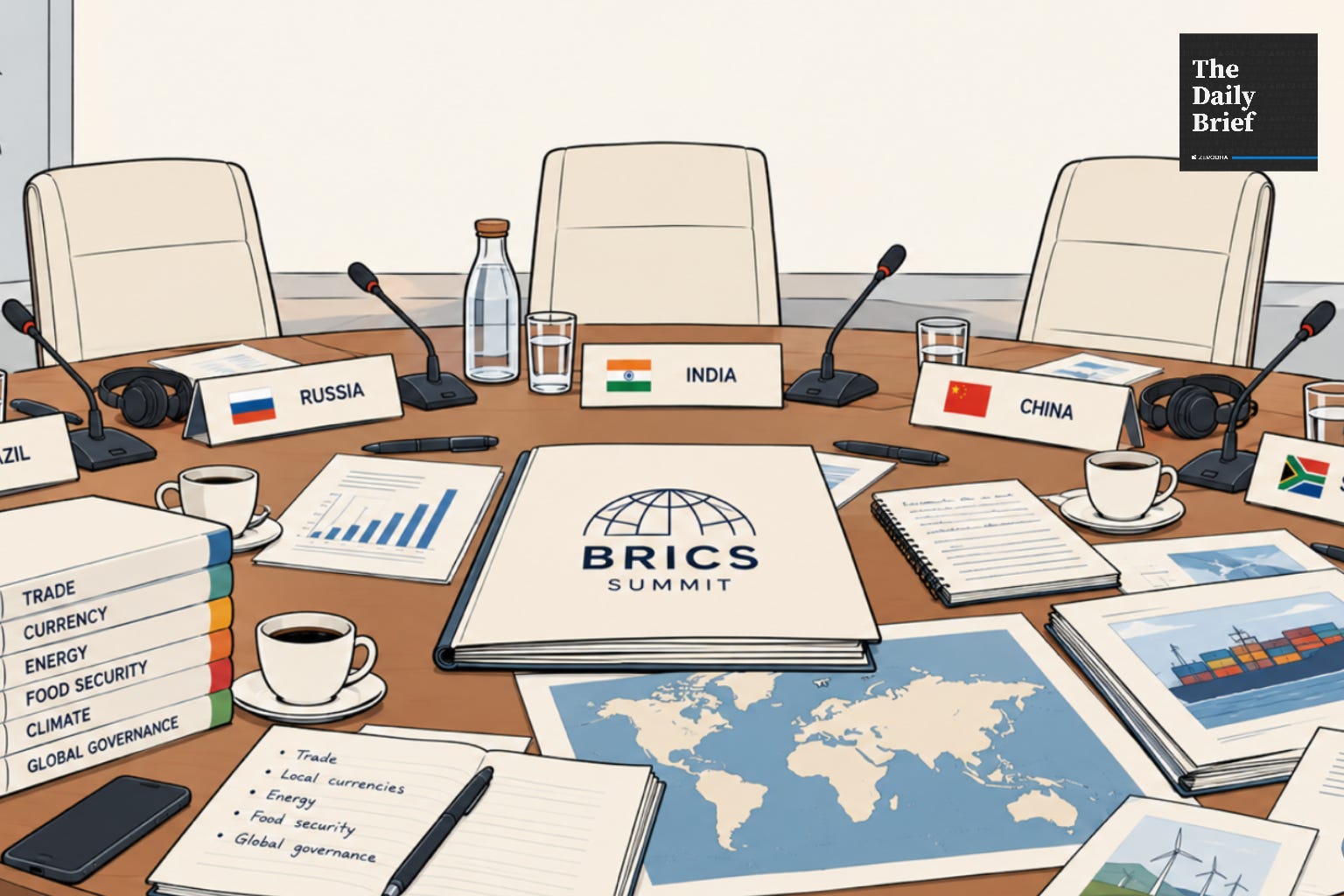

Our goal with The Daily Brief is to simplify the biggest stories in the Indian markets and help you understand what they mean. We won’t just tell you what happened; we’ll tell you why and how too. We do this show in both formats: video and audio. This piece curates the stories that we talk about.
You can listen to the podcast on Spotify, Apple Podcasts, or wherever you get your podcasts and watch the videos on YouTube. You can also watch The Daily Brief in Hindi.
In today’s edition of The Daily Brief:
1. The fragile compromises of the BRICS summit
The 18th BRICS summit in Delhi produced an 18,000-word joint declaration, but deep internal divisions stalled any concrete progress on a shared currency or cross-border payment system. While member nations agree on criticizing Western sanctions, conflicting national interests leave the bloc's financial ambitions largely on paper
2. The UK has recognised India’s carbon market
The UK has officially recognized India’s Carbon Credit Trading Scheme (CCTS), allowing Indian exporters to deduct domestic carbon costs from their upcoming UK border tax bills. However, because India's carbon market is still nascent, actual financial relief remains uncertain until a clear public carbon price and robust verification systems are established.
Rainmatter Originals is our new series profiling entrepreneurs who are taking the long road and doing things differently. In this episode of Built from Scratch, we see how Som Narayan (Carbon Masters) and Shekhar Prabhakar (Hasiru Dala Innovations) are joining forces to turn Bengaluru’s wet waste into clean biomethane fuel.
Watch the full story: Can garbage solve India’s energy crisis?
The fragile compromises of the BRICS summit
Last weekend, eleven heads of state gathered in Delhi for the 18th BRICS summit. And while they were gathered for extremely sober discussions, they certainly let loose.
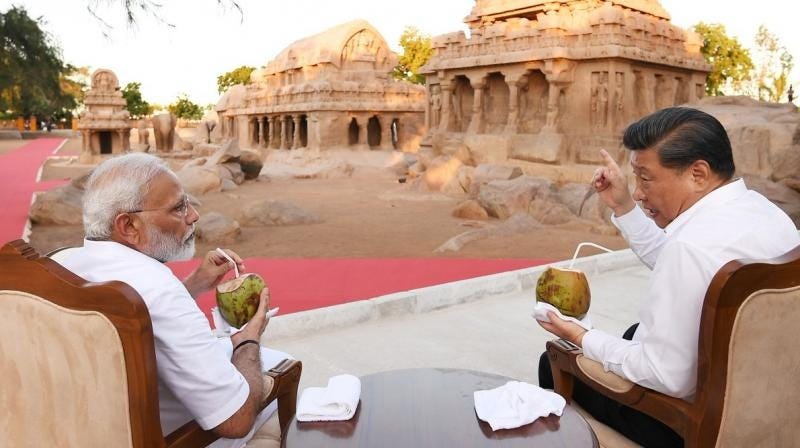
For instance, Malaysian Prime Minister Anwar Ibrahim broke into a Bollywood number. There was an interesting moment of camaraderie between PM Modi and Xi Jinping, where Modi interrupted his speech to check on a visibly uncomfortable Xi. A selfie of all the heads of state went viral, but it was later discovered to be wholly AI-generated.
All these entertaining tidbits could potentially make you forget the stakes and compromises that BRICS stands on. In 2026, they only escalated.
For one, leaders from Iran and the UAE, both of whom are at loggerheads with each other, sat in the same room and signed the same document. Then, while Modi, Xi and Putin were clicked candidly together, their stance on whether BRICS should have a currency of its own is more disjointed than ever. Meanwhile, BRICS continues to figure out what its strategy against America’s weaponization of the dollar (and tariffs) is.
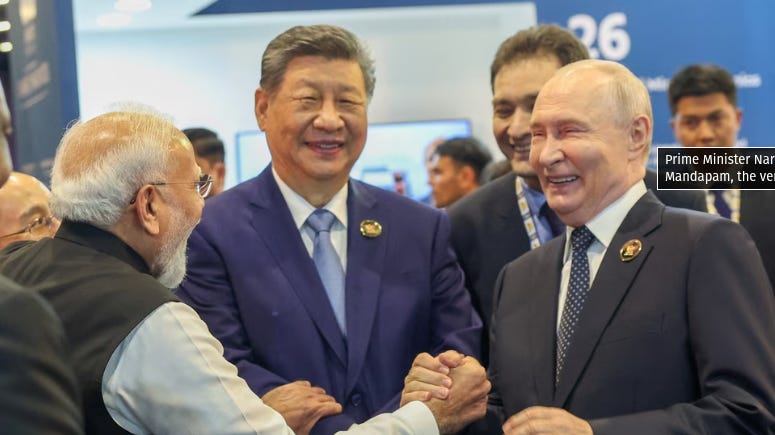
By the end of it all, BRICS signed an 18,000-word jointly-signed document called the New Delhi Declaration, adopted unanimously after negotiations that reportedly ran past 4 AM.
But words are just that: words. How much they represented real action is anybody’s guess.
With that, we’ll be doing a round-up of the landmark events and clashes that defined this year’s BRICS summit.
The frictions of payment
The first major clash was around payment systems.
In a past story, we’ve covered how BRICS members have long wanted to reduce their dependence on the US dollar, the world’s reserve currency, for trade. When, say, a Brazilian farmer sells soybeans to a Chinese buyer, the transaction typically gets converted from reals to dollars and then from dollars to yuan.
For Russia and Iran in particular, the problem is more existential. Western sanctions have cut them off from SWIFT, the global messaging system that underpins cross-border payments. They need alternatives simply to keep trading.
But BRICS members have never agreed on what that alternative should look like. And this summit only made those disagreements sharper.
This year, one of the key items on top of India’s agenda was cross-border payments. The RBI had proposed linking the central bank digital currencies (CBDCs) of BRICS members, so that a payment initiated in India could settle directly in, say, the South African rand without passing through a dollar-denominated correspondent bank. Trade within BRICS nations is already strengthening, so why not also involve more local currencies in it, instead of the dollar.
But there was no binding action plan or CBDC linkage pilot. All that remained was a formal acknowledgment of India’s proposal.
Ajay Srivastava, founder of the Global Trade Research Initiative (and a past guest on Subtext), noted that the summit was expected to announce concrete steps, like wider bilateral payment arrangements, links among domestic instant-payment networks, currency swap arrangements, and so on. But execution remained limited.
Why did it stall? Well, beyond the fact that no BRICS nation has fully launched its CBDC beyond the pilot phase, there are two key reasons.
To begin with, India itself is reluctant to deepen financial connectivity with a geopolitical rival like China.
As per Reuters, India stayed away from mBridge, a cross-border CBDC platform, because it’s anchored by Beijing. We also stalled a proposal from Alipay+ to link with India’s instant payments system over national security concerns. All of this is driven by rational fears, though. Payment networks can indeed have chokepoints which can cripple the rest of the network, and India has no intention of handing over such control to China that easily.
Secondly, there is the trade imbalance problem, which we will illustrate with a real-life example between India and Russia.
Since 2022, India has been buying lots of Russian oil, which became cheaper due to sanctions from Western countries in retaliation for the Ukraine invasion. Much of that trade was settled in rupees. Later, Russia acknowledged that because of this trade, they had more rupees than they needed, and they needed to be converted before they could use it.
You could solve this with a currency swap at an agreed-upon rate. But the problem is India has a large trade deficit with Russia, so it’s clear they have little incentive to buy Indian goods. At most, Russia can invest in Indian assets, but India has capital account restrictions that don’t allow foreign investment easily.
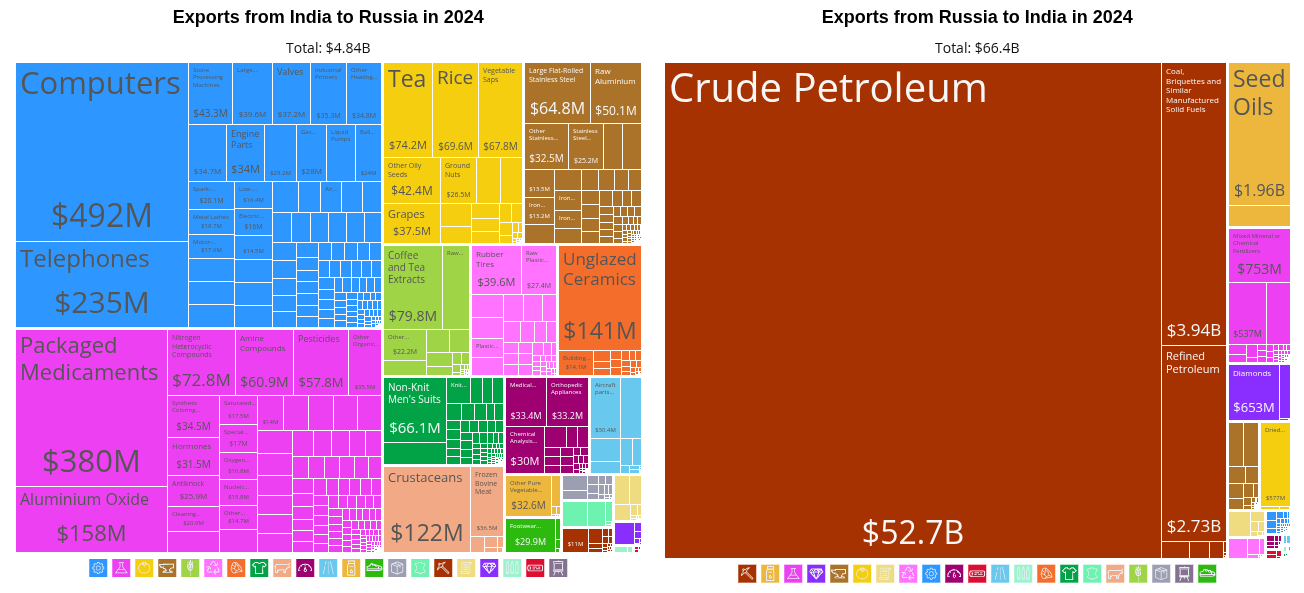
In fact, Russia began using the UAE dirham and the yuan — which are more widely-used currencies than the rupee — as an intermediary to trade with us. This need for an intermediary is ironically what India’s proposal was meant to do away with.
The ghost of king dollar
So far, we told you about a payment systems alternative that India pitched. But notice how none of this involved promoting a currency that would challenge the dollar.
That’s because underneath all of this sits an even deeper disagreement.
Mexican standoff
On one hand, Russia is one of the most vocal proponents of a BRICS-led international reserve currency to challenge the dollar. This would benefit them the most, as it allows them to sidestep Western sanctions. While they also support local-currency settlement systems, a whole new reserve currency would solve far more of their problems.
China, though, may not share the same view. They have made many moves to increase the global footprint of the yuan. They also hold some of the world’s largest dollar reserves, and haven’t shown meaningful intention in selling off their dollar assets. A settlement system based on local currencies would likely only increase the usage of the yuan.
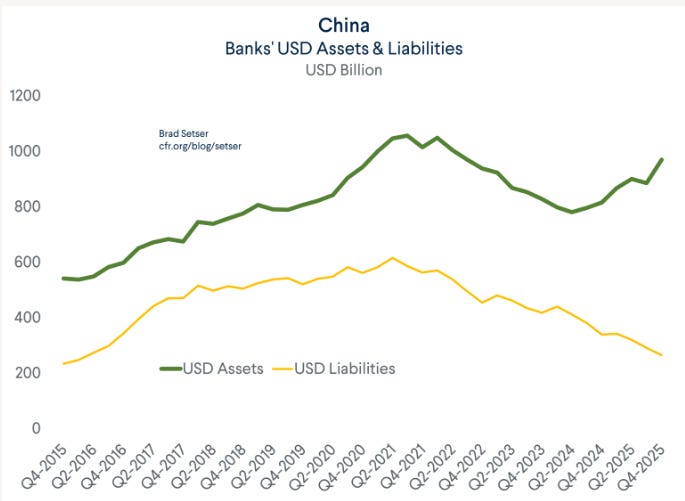
India’s official stance is in conflict with both countries. As per External Affairs Minister S Jaishankar, India has “no interest in weakening the US dollar at all”, but only wants to de-risk from it. But we also want a payments settlement system that doesn’t give China the reins.
Moreover, a united BRICS currency would also involve giving up national autonomy over monetary policy, fiscal policies and exchange rates. This is much like how the Eurozone works. That independence is not something India, China or Russia are willing to give up. It’s why even the mere idea of a BRICS currency was explicitly put off the table in this summit.
As such, de-dollarisation within BRICS may be happening, but incredibly slowly. While more and more intra-BRICS trade is being conducted in local currencies, intra-BRICS trade itself accounts for only 5-10% of global trade. The de-dedollarization is also driven largely by China settling oil purchases from Iran and Saudi Arabia in yuan. What that also means is bilateral deals, rather than a grand BRICS architecture, has played a much bigger role in it. The New Delhi Declaration didn’t change that, either.
The Bretton Woods challenger
But if you want to see what BRICS’s de-dollarisation push actually looks like when it touches real money, look at its attempt to challenge (if not replace) the World Bank and IMF.
The New Development Bank (NDB) was set up in 2014 as a development lender built by and for emerging economies. Developing countries could borrow in their own currencies to build infrastructure, avoiding the exchange-rate risk that comes with dollar-denominated loans.
Plus, the IMF’s voting structure gives the United States a de facto veto over any proposal. The NDB, by contrast, was built on giving each founding member equal capital shares and equal voting power. No single country could block a decision unilaterally.
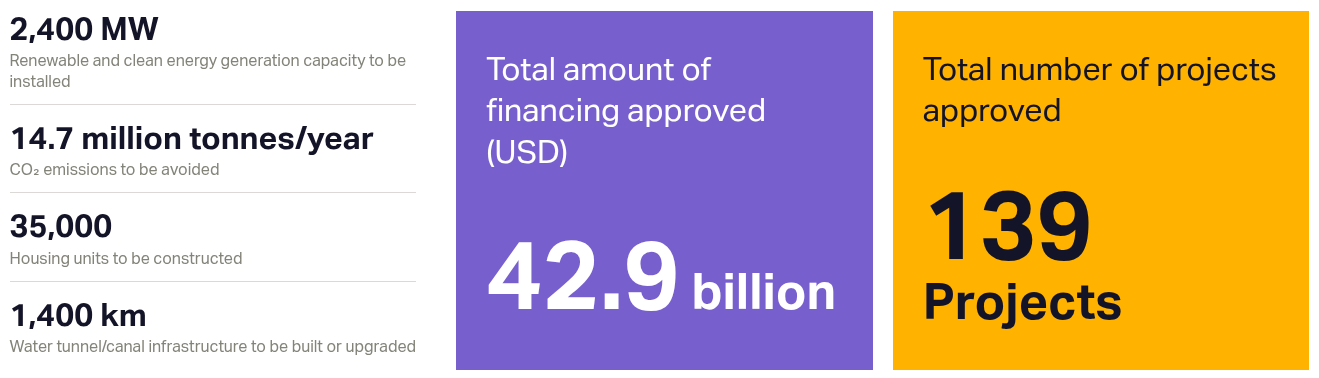
At first sight, the NDB’s progress has looked promising. Nearly 25% of the bank’s portfolio of loans is denominated in local currencies rather than dollars. Since inception, the NDB disbursed $42.9 billion across 139 projects — far from the World Bank’s scale, but still valuable.
But those stats come with asterisks.
For instance, the vast majority of that local-currency lending has been in Chinese yuan, through “Panda bonds” issued in China’s interbank market. The ~₹25,000 crore rupee bond programme that India floated in March 2026 still hasn’t launched. Meanwhile, ironically, Russia itself can’t easily access NDB financing because of sanctions complications. The New Delhi declaration also said little about recapitalizing the NDB.
The institution that was designed to reduce dollar dependency is still mostly lending in dollars, and increasingly, the yuan as well.
Dire straits
The most dramatic story of the summit, though, had little to do with currencies or banks.
It has been months since the Strait of Hormuz crisis began, and the conflict between Iran and the US shows little signs of stopping. Making it more complicated is Iran’s attack on the UAE because the latter willingly hosted American forces.
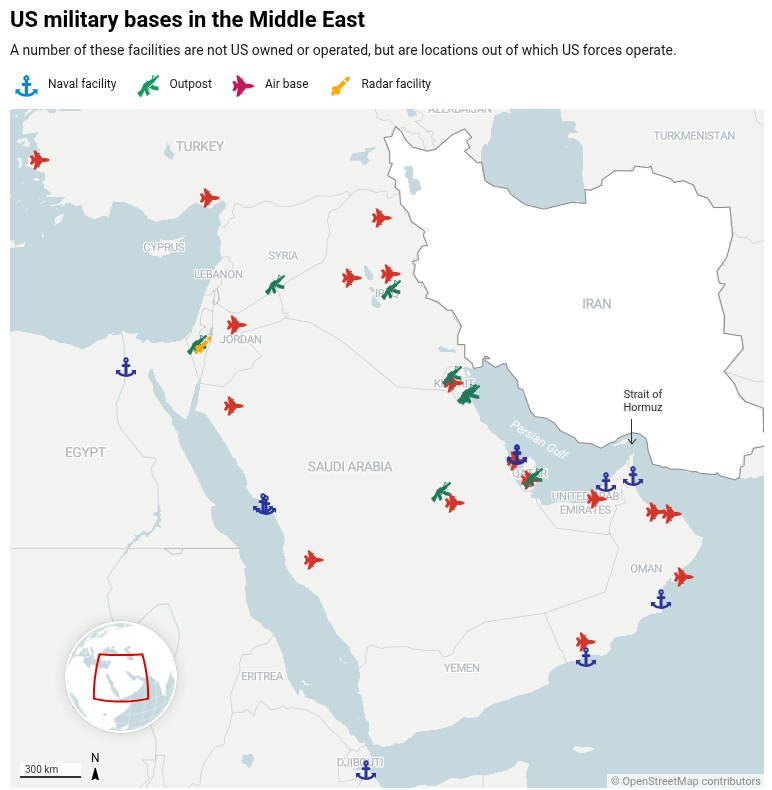
But Iran and the UAE are also BRICS members. Could they even stand to be in the same room together? Earlier this year, BRICS foreign ministers met to try and resolve this situation, but failed. Iran wanted the declaration to call out attacks on its territory as a UN Charter violation, and the UAE wanted recognition of Iranian strikes on its sovereignty.
Getting both of them to sign the New Delhi Declaration required language so carefully vague that both could live with it. The final formulation of the document used the phrases “recalling our respective national positions“ and “maximum restraint“. Perhaps, they were meant to be deliberately vague without pointing fingers. That being said, the Iranian President Masoud Pezeshkian and the Crown Prince of Abu Dhabi held their highest-level meeting since the conflict escalated.
Even with the original five members, consensus in BRICS was difficult. With eleven, it may be approaching impossible. The bloc now includes countries that are literally at war with each other, members that can’t transact financially because of severed ties, and an incompatibility of views on what BRICS should be. Russia and Iran want it to be an anti-Western coalition, while India and Brazil want it to remain non-Western but not anti-US. The UAE wants economic diversification, to which end it prefers to be pragmatic rather than ideological.
And the rest
A few other things happened at the summit that are worth noting briefly.
The New Delhi Declaration took aim at three distinct Western economic policies. US tariffs were criticised as being “inconsistent with WTO rules“. Western sanctions on Russia and Iran were condemned as “unilateral coercive measures contrary to international law“. The EU’s Carbon Border Adjustment Mechanism (CBAM) was called “discriminatory and protectionist“. India’s steel sector, as we’ve covered before, has a specific stake in the CBAM fight.
But no unified retaliatory measure came about against CBAM or US tariffs. Perhaps, that’s because some nations are finding their own preferential trade arrangements. India, for instance, has been pursuing a trade deal with the US while having sealed one with the EU. Recently, China is having its own trade talks with the US.
This summit also marked Xi’s first visit to India since the Galwan clash in 2020. India wants border stability before economic re-engagement, while China wants to push for reduced import tariffs on their EVs. Little was said to address our $112 billion trade deficit with China.
Xi came with concrete proposals, like a BRICS AI Open Source Zone for large language models and a BRICS Special Economic Zone partnership. Whatever gets built from these proposals, if at all, it’s hard to imagine the infrastructure coming from anywhere other than Beijing.
Modi, for his part, warned against the “weaponisation of technology and critical minerals”, without naming China.
What comes next
China will chair the BRICS summit next year. In between then and now, a lot could happen. The US-Iran conflict could worsen. A few more trade deals with the US could be signed. Or the Russia-Ukraine war only gets more intense. China becomes an AI giant, and hopefully, India makes bigger strides in manufacturing exports.
The NDB’s next general strategy review also begins soon. The rupee bond either happens or it doesn’t. The payment interoperability task force either builds something or produces another report. China and Russia will push for BRICS credit rating agencies and a SWIFT alternative.
BRICS is a coalition of 11 countries which represent nearly half the world’s population and a quarter of global trade. That’s a lot of power in the world. But it is also finding it only harder to navigate the balance between national sovereignty and international collaboration.

The UK has recognised India’s carbon market
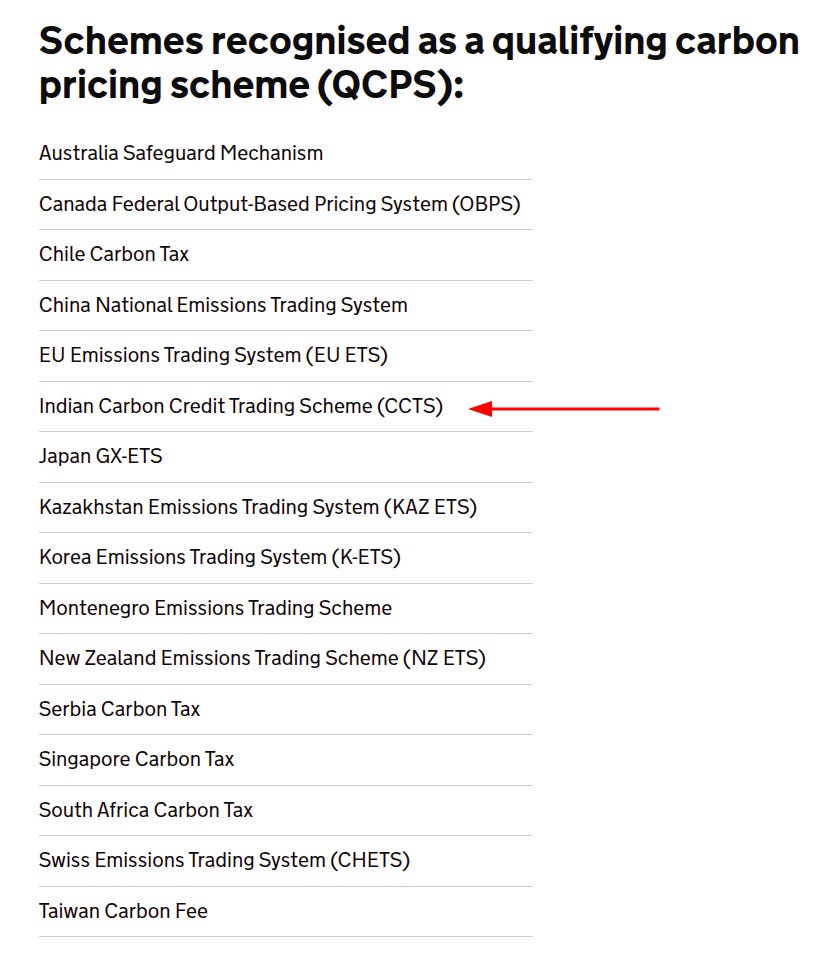
The UK has added India’s Carbon Credit Trading Scheme, or CCTS, to its list of overseas carbon-pricing schemes that can qualify for relief under its Carbon Border Adjustment Mechanism.
There is a lot packed into that sentence. So let’s unpack it.
Making steel, cement and aluminium releases a lot of carbon. But the climate damage caused by those emissions does not fully show up in the product’s price. Carbon pricing tries to change that by making companies pay for their emissions.
The UK does this through its Emissions Trading Scheme, or ETS. It limits how much covered industries can collectively emit and issues UK Allowances, or UKAs, against that limit. One UKA permits a company to emit one tonne of carbon dioxide equivalent.
Eligible companies may receive some allowances free. For the rest, they must buy allowances through government auctions or from other participants in the market. At the end of the compliance period, every company must surrender enough UKAs to cover its emissions. The more it emits beyond its free allocation, the more allowances it must buy and the more expensive its products become to make.
But there is a catch. If British steel becomes more expensive because of this carbon cost, buyers can switch to cheaper imported steel from countries with weaker climate rules. Production and emissions simply move abroad instead of falling. This is called carbon leakage.
That is why the UK is introducing its Carbon Border Adjustment Mechanism, or CBAM, from 1 January 2027. It will impose a carbon charge on specified imports from sectors including iron, steel, aluminium and many more. The idea is to make imported goods bear a carbon cost comparable to that faced by British producers.
CBAM is politically contested. India argues that it asks developing countries to bear costs designed around the climate policies and financial capacity of richer economies. We have written before about how the EU’s version could hurt Indian exports and, more recently, looked at the economics and politics behind it.
But the policy is going ahead. And even if we set the politics aside, it creates another problem: what if an overseas producer already pays a carbon price at home? Charging the full British amount would ignore the carbon cost those emissions had already faced in India.
The UK’s rules already allowed importers to deduct qualifying carbon costs paid overseas. What has changed is that the UK has now explicitly recognised India’s CCTS as a scheme that can qualify for this relief.
That sounds like good news for Indian exporters. But how much it will actually reduce the carbon charge on their goods is a much harder question.
Recognition does not make the two systems equal
As we saw above, the UK requires companies to surrender allowances against their covered emissions. India’s CCTS works differently: it makes plants pay only when they perform worse than an emissions target.
Suppose an Indian steel plant is given a target of 1.8 tonnes of carbon for every tonne of steel it produces. If it produces 100,000 tonnes of steel, its target corresponds to 180,000 tonnes of carbon emissions.
Now suppose the plant actually emits 190,000 tonnes. It has exceeded its target by 10,000 tonnes, so it must buy 10,000 Carbon Credit Certificates, or CCCs.
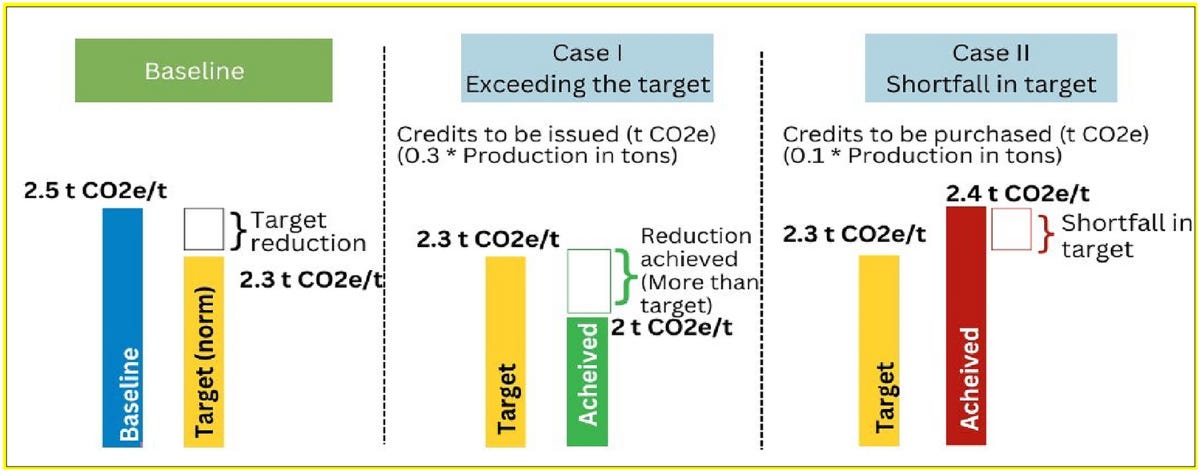
But the plant has not paid a carbon price on all 190,000 tonnes. It has paid only for the 10,000-tonne shortfall. If it had emitted 170,000 tonnes instead, it would have beaten its target and earned 10,000 CCCs to sell.
That is why one CCC cannot simply cancel one tonne from the UK CBAM bill. The two systems calculate carbon costs differently. The relief will instead be based on the carbon cost the Indian producer actually bore. That amount will be deducted from the UK CBAM charge.
Even this limited relief will not be available to every Indian producer. CCTS coverage is plant-specific.
The government has notified emission-intensity targets for nearly 490 obligated entities across seven sectors. Steel has followed separately, with draft targets for 255 named units. A plant is covered because it appears in the relevant schedule and has an assigned target.
The steel list includes major producers that also export. But the overlap between CCTS coverage and UK-bound exports will not be perfect. A covered plant may sell only within India, while a producer outside the scheme may still export to Britain. Even within one company, some plants may be covered while others are not.
India still needs a proper carbon price
Recognition alone is not enough. Relief requires an actual carbon cost, and India does not yet have a reliable CCTS price.
CCTS was notified in 2023, but India’s carbon market is still being built. Most of the work so far has involved setting targets, creating methodologies, registering participants and launching the Indian Carbon Market portal.
The compliance market still lacks a meaningful history of regular CCC issuance, exchange trading, surrender and enforcement. When we visited the portal’s statistics section, it simply said “Coming Soon”.
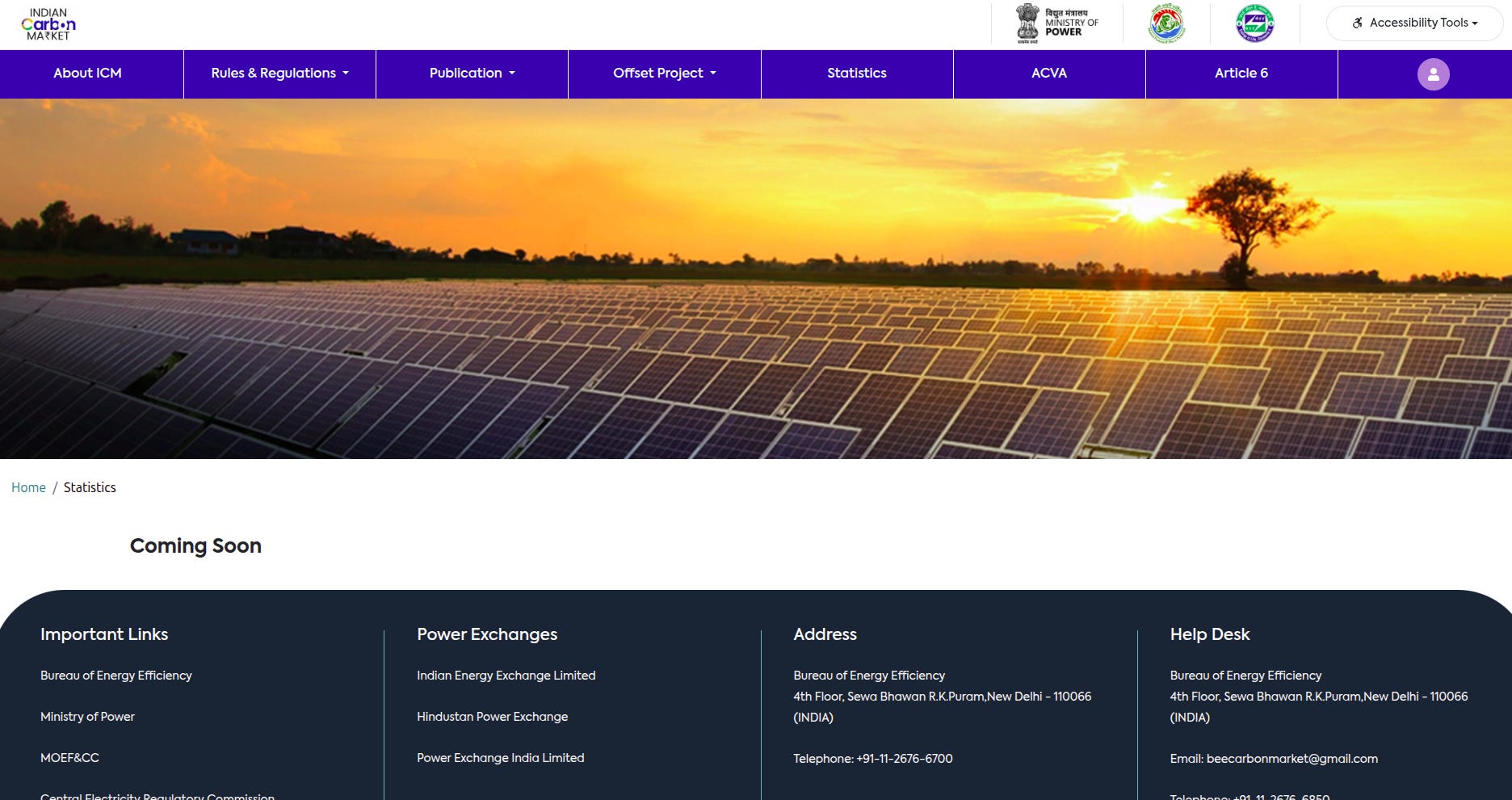
That matters because the UK needs a publicly available carbon price to calculate the relief. Without regular trading, it is difficult to establish what carbon compliance actually costs an Indian plant.
Even the first few trades may offer little clarity. Easy targets could create too many sellers and too few buyers, keeping prices artificially low. Thin trading could also make prices volatile.
The UK has accepted CCTS as the kind of carbon-pricing scheme that can qualify. But actual relief will still require a public price and proof that the Indian producer bore that cost.
Then comes verification
If price is the first bottleneck, proof is the second.
Calculating a plant’s emissions requires reliable data on fuel use, electricity, raw materials, production and industrial processes. Even small differences in what the plant counts, how it converts fuel use into emissions or how it measures production can significantly change the final number.
India’s verification capacity is still extremely thin. The Bureau of Energy Efficiency’s published list names only two accredited agencies. Just one has final accreditation for the compliance market, and only for iron and steel, petrochemicals and petroleum refining.
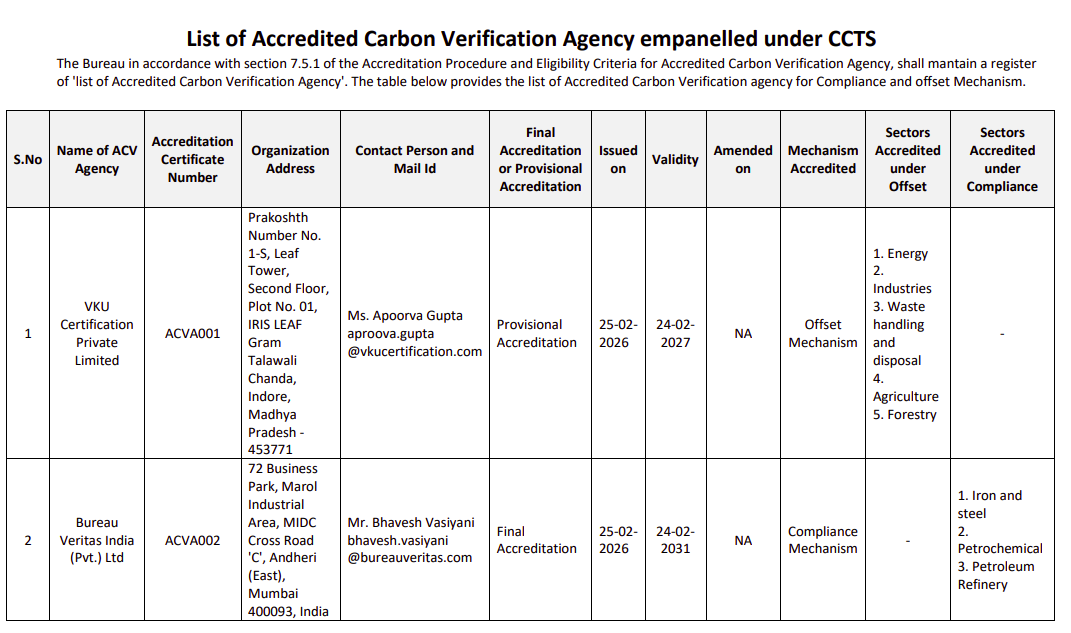
UK relief adds another layer. A verifier accepted under India’s CCTS does not automatically qualify under British rules. It must separately meet the UK’s accreditation and technical standards. As of September, only two verification bodies had applied for EU- and UK-related CBAM accreditation.
Without enough qualifying verifiers, exporters may face higher costs and delays in proving their emissions and Indian carbon costs. The relief may exist in law but remain cumbersome to claim.
So, how much does this help?
The UK has removed an important legal uncertainty: carbon costs genuinely borne in India can now reduce the CBAM charge on Indian goods. But the size of that benefit cannot yet be estimated with confidence.
The UK has answered whether India’s carbon market can count. India must now establish what its carbon price actually is and prove which plants have paid it.
- This edition of the newsletter was written by Manie and Kashish.
Tidbits
[1] MDL plans ₹27,000 crore shipbuilding cluster at Dighi
Mazagon Dock Shipbuilders plans to develop a ₹27,000 crore shipbuilding cluster at Dighi in Maharashtra. The project is expected to create around 90,000 direct and indirect jobs as India looks to significantly expand its domestic shipbuilding capacity.
Source: The Economic Times
[2] Tata, Adani and Reliance triple their EV charging points in three years
India’s large business groups are rapidly expanding their EV charging networks as electric vehicle adoption grows. Tata, Adani and Reliance have together tripled their charging points over the past three years, helping build the infrastructure needed to make EV ownership more practical.
Source: Mint
[3] Meta to directly share child sexual abuse cases with Indian authorities
Meta has agreed to directly share details of child sexual abuse material cases and repeat offenders with Indian law enforcement agencies. Earlier, this information went through a US-based organisation first, which Indian officials said caused delays in investigations.
Source: Business Standard
[4] Stainless steel MSMEs want quality controls back as imports surge
More than 100 stainless steel MSMEs have asked the government to restore quality control rules after imports jumped following their suspension. Stainless steel imports reached 101,252 tonnes in April, up 65% year-on-year, with industry groups arguing that cheaper Chinese imports are hurting domestic manufacturers.
Source: Business Standard
[5] UPI’s free era ends for larger merchant payments
From October 15, merchants will pay a 0.4% fee on UPI transactions above ₹2,000, ending more than six years of zero-fee payments. Small merchants and rural and semi-urban QR payments are exempt, and businesses are not allowed to pass the charge on to customers.
Source: Reuters
Beyond Today’s Brief
There’s always more happening at Markets by Zerodha.
The Chatter: What is driving Solar Industries’ order book momentum across defence and commercial explosives? And what do PhonePe’s latest financial disclosures signal for its expansion in digital payments and market dominance?
Aftermarket Report: How did a modest recovery help Nifty reclaim the 23,200 level ahead of the upcoming US Federal Reserve policy decision? And how are domestic markets digesting global cues amid ongoing consolidation?
Subtext: Former SEBI Whole-Time Member Ananth Narayan breaks down why the Indian rupee faces persistent depreciation pressures, how foreign portfolio flows impact market reflexivity, and the policy trade-offs facing currency management.
Join us on WhatsApp, where we share interesting soundbites from concalls, articles, and everything else we come across throughout the day. You’ll also get notified the moment a new video or article drops so that you can read or watch it right away.
Thank you for reading. Do share this with your friends and make them as smart as you are 😉